
retail media
Hanshow's Merlin Smart Cart wins 2026 RTIH Retail Media Innovation award
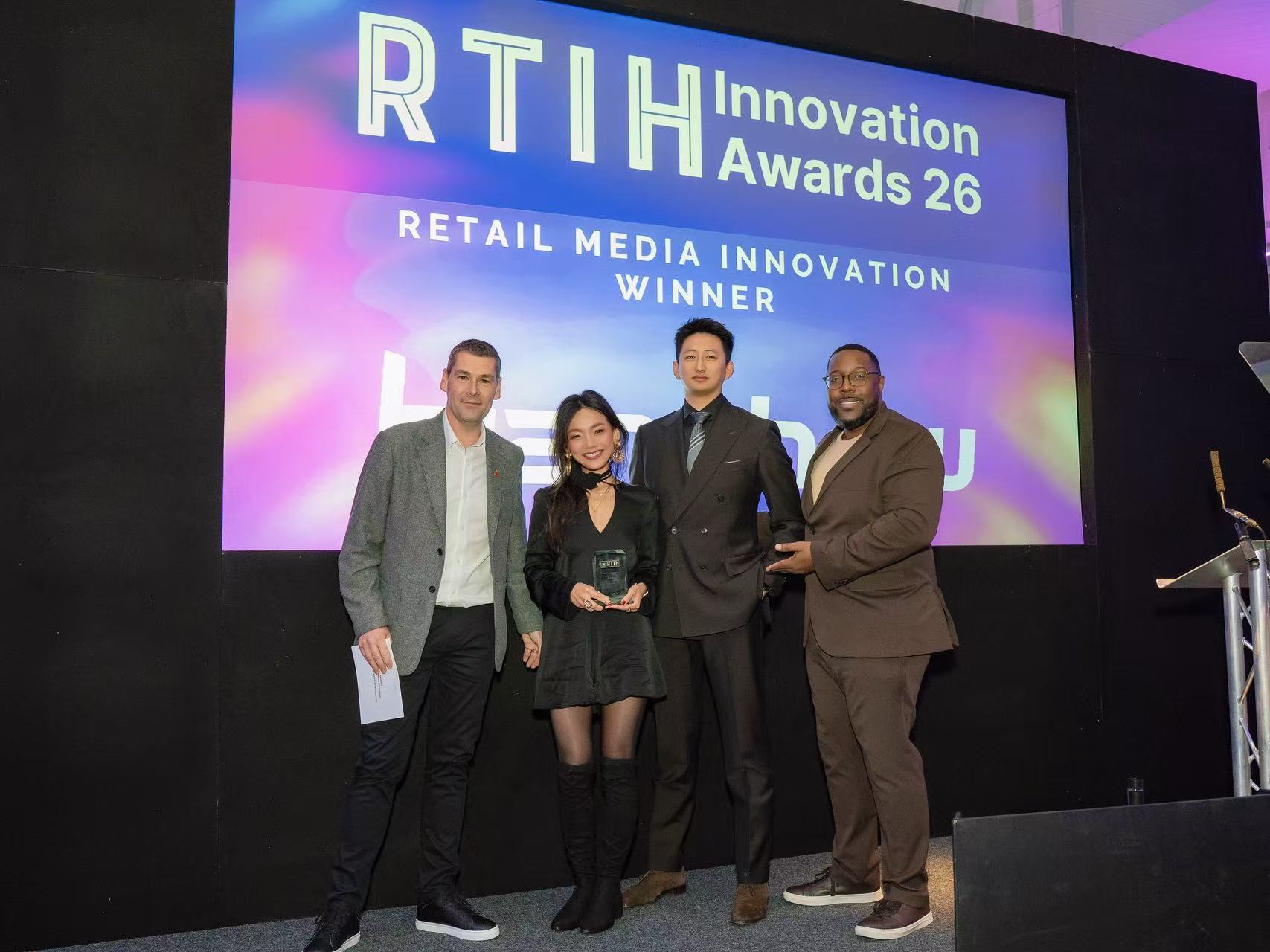
In-store retail media is moving to the point of decision. Hanshow's Merlin Smart Cart, built with shopreme and Lucky cart, puts self-checkout, personalised offers and retail media into a clip-on unit for existing trolleys, and has won the 2026 RTIH Retail Media Innovation award.
Key takeaways
- Merlin Smart Cart won the new Retail Media Innovation category at the 2026 RTIH Innovation Awards.
- Hanshow supplies hardware and store infrastructure, shopreme software and self-checkout, Lucky cart personalisation and media.
- A clip-on design fits existing trolleys without major store changes.
- Judges said in-store media now happens on the shelf, label and cart, and can be measured.
Why it matters
For retailers and brands, retail media is extending from websites into stores and becoming measurable there. For shoppers, smart carts bring practical features such as basket totals and self-checkout, along with more personalised offers along the way.
The award
Hanshow announced on 10 November, in a release datelined London, that its Merlin Smart Cart solution with shopreme and Lucky cart had won the Retail Media Innovation category at the 2026 RTIH Innovation Awards.
Now in their eighth edition, the awards are judged by an independent panel of retail, technology, data and digital leaders from organisations including Walmart, Amazon, Boots, Holland & Barrett, East of England Co-op and IGD. Retail Media Innovation is a new category for 2026, recognising projects that use technology to create shopper engagement, strengthen retailer-brand relationships and unlock commercial value from retail media.
Who does what
According to the release, Hanshow provides the smart cart technology and in-store digital infrastructure; shopreme delivers the software layer, self-checkout experience and integration with retailer systems; and Lucky cart adds personalisation and retail media capabilities. Together they connect shopping context and loyalty identification with product discovery, relevant offers, basket visibility and streamlined checkout.
The cart uses a clip-on format that works with existing trolley fleets, so retailers can add digital shopping and retail media without extensive infrastructure changes, and can tailor the experience to their own brand and commercial strategy.
What the judges and the company said
Scott Thompson, founder and editor of Retail Technology Innovation Hub, said the entry showed how in-store media has changed: "It has moved beyond traditional channels and now happens on the shelf, on the label and in the shopping cart, at the exact moment that shoppers make their decisions. And it can also be measured."
Philippe Brochard, chairman of Hanshow's advisory committee, said the recognition reflects "an important shift in physical retail: retail media is moving closer to where purchase decisions actually happen," and that the smart cart could become a new interaction layer in physical stores.
Background
Retail media means retailers selling advertising to brands across their own channels, informed by shopper data. It grew up online and is now spreading to in-store screens, electronic shelf labels and carts. Hanshow is a supplier of electronic shelf labels and digital store solutions.
What to watch
- Whether retailers fit smart units to existing trolley fleets at scale.
- How measurement standards for in-store retail media develop.
- Whether shelf-label suppliers bundle more in-store media and checkout features.
Sources
Questions
What is the Merlin Smart Cart?
A smart cart solution from Hanshow, shopreme and Lucky cart that combines self-checkout, loyalty identification, personalised offers and retail media in a clip-on unit for existing trolleys.
Who judges the RTIH Innovation Awards?
An independent panel of retail, technology, data and digital leaders from organisations including Walmart, Amazon, Boots, Holland & Barrett, East of England Co-op and IGD.
Do retailers need new trolleys?
No. According to Hanshow, the clip-on format works with existing trolley fleets without extensive infrastructure changes.
